If you’re serious about fitness — and maybe even if you’re not — you may have encountered any number of ads for Whoop. The company likes to think of its Whoop 4.0 band as unlike any other fitness tracker on the market, and it’s so convinced of this that it’s going straight for the jugular of people like me. I’m certainly not a pro athlete — but I do consider weightlifting to be my main hobby, and in combination with being a tech journalist, there might as well be a bullseye on the back of my head.
When you buy into Whoop, you’re making a very conscious choice over getting a smartwatch. There are several reasons to go with the Whoop platform — some of which are just preferences rather than any inherent advantage. The platform isn’t for everyone, and I’m not going to pull any punches in that regard.
Related
Does smart tech really add that much to your fitness regimen?
The full answer varies from person to person, but here’s my gym-buff take.
1 Fewer daily distractions
Hyperconnectedness isn’t always a plus

While one of the benefits of a smartwatch is getting notifications without pulling your phone out of your pocket, an associated risk is being bombarded by info — a lot of it unwanted, like Uber and DoorDash promotions. Even curated notifications can be too much for some people, ramping up anxiety or pulling focus away from important things like people, their jobs or their workouts. The last thing a powerlifter needs is a vibrating wrist when they’re trying to deadlift 500 pounds.
Since there’s no screen on a Whoop band, there’s no way of receiving notifications on it. You can’t run apps or watchfaces either, so there’s less temptation to text friends, check the time, or obsessively monitor your calorie burn. You have to pick up your phone to do any of that, which may be enough of a gap to help you concentrate.

Related
4 gimmicks to ignore when shopping for a fitness tracker
Put your money where it’ll do the most good by ignoring features that you probably won’t even use.
2 You don’t have to wear it on your wrist
Literal and figurative flexibility

Whoop
Some smartwatches can be repositioned, but as a rule, they’re designed to be worn on your wrist. It’s the most logical place if you’re concerned with visibility and interaction. But when you don’t have a screen or even buttons to worry about, there are plenty of other places on the body a fitness tracker can go, as long as it can still monitor blood and motion.
If you don’t want to wear a Whoop on your wrist, the next best place is usually your bicep (upper arm). You’ll probably need to buy a dedicated bicep strap if you’ve built up some muscle. Wearing one on your arm keeps it out of the way, though, while still making it easy to attach the device’s battery pack.
If you want to get crazy, Whoop will sell you accessories like boxers, sleeves, compression tops, and even thongs that have room for its tracker. These have dubious value — it’s far easier to leave the tracker on your wrist or bicep than it is to switch it between clothes, especially when it comes to washing and charging. Whoop’s band clasps are terrible too, so the less time you spend with them, the better.

Related
I put one of the best weightlifting wearables to the test to see if it’s still worth using in 2024
Polar’s Verity Sense armband sensor has some tough competition these days.
3 You can leave it on 24/7
No downtime necessary

Whoop / Pocket-lint
Speaking of charging, the Whoop battery pack is IP68 water-resistant, and can slide directly over top of the tracker while you’re still wearing it. If you play your cards right, that may mean no recording interruptions whatsoever, whereas even a Fenix 8 Solar will need to be plugged in twice a month or so. Most smartwatches have to charge even more frequently, potentially cutting out important data such as sleep patterns.
There are some caveats. You should still clean the skin under your Whoop on a regular basis, and any wearable will eventually become uncomfortable with enough friction. You also shouldn’t swim with the battery pack on, since it’s not rated to the same depths as the tracker.

Related
Best smartwatches for swimming: Track laps without worrying about water damage
These wearables will track metrics like swimming distance, pace, stroke count, SWOLF, and underwater heart rate.
4 A focus on recovery
Possibly what matters the most for advanced athletes

While smartwatch makers like Apple and Garmin are increasingly emphasizing related concepts like training load, recovery is front-and-center with Whoop. The platform’s three main metrics are Sleep, Recovery, and Strain, and the goal is to get those in alignment for maximum energy. Arguably, this is a lot more important for athletes than things like rep tracking or running cadence — at higher levels, your form and routines should be (mostly) dialed in without any help from a fitness tracker.
Whoop’s approach remains controversial, however. The company uses vague scores to summarize its metrics, and recovery may not be your primary concern — hikers need to worry about weather and route planning, for instance, and if you’re a competitive runner, you’re going to want split-second times. In many situations, you’re inevitably going to be better off with a smartwatch.

Related
What is Garmin Training Status, how accurate is it and how does it work?
How to get the most out of Garmin’s intuitive fitness feature so you can track your training progress with ease
5 (Potentially) more affordable pricing
Depending on your plans
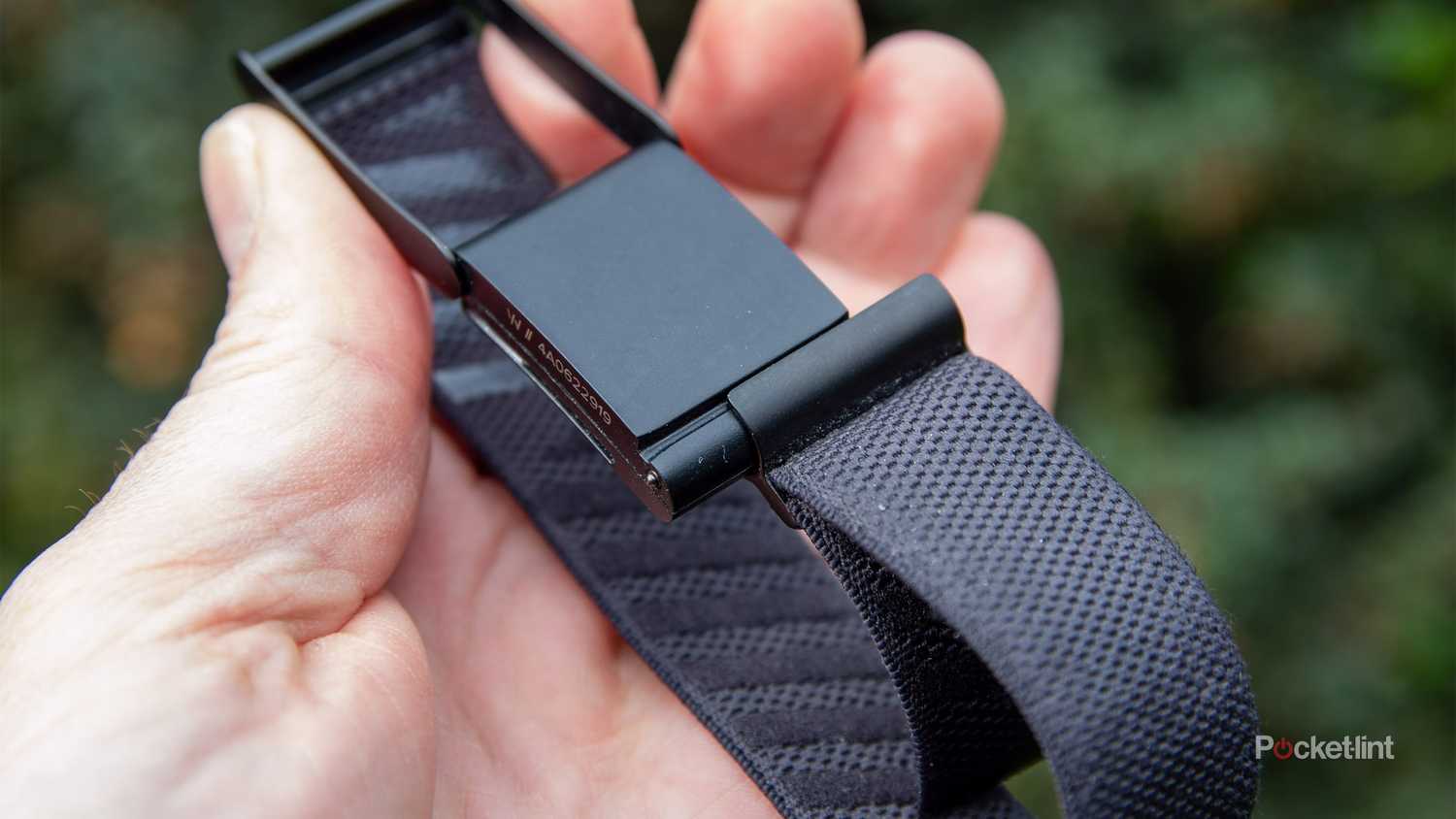
While there’s no way to get a Whoop device without committing to a subscription — $239 for 12 months, or $399 for 24 — that may still be cheaper than buying a new smartwatch if you’re getting one every two or three years. And as a subscriber, you’ll automatically get the Whoop 5.0 when it launches.
It’s pricier than buying a Fitbit, but every subscription does at least include light coaching and analytics. Those probably won’t contribute much towards that 500-pound deadlift — but they should at least help some beginner and intermediate athletes, who may not know how to make the most of the data fitness trackers deliver, watch-based or otherwise.

Whoop 4.0
The Whoop 4.0 is a unique fitness tracker that does away with a display. Despite the lack of a screen, it monitors all that other trackers do, including all-day heart rate, respiratory rate, skin temperature, blood oxygen levels, daily activity, and sleep. The Whoop platform then gives you insight and tips to improve your overall health and performance.
Trending Products
LG UltraGear QHD 27-Inch Gaming Monitor 27GL83A-B – IPS 1ms (GtG), with HDR 10 Compatibility, NVIDIA G-SYNC, and AMD FreeSync, 144Hz, Black
Acer Nitro 27″ WQHD 2560 x 1440 PC Gaming IPS Monitor | AMD FreeSync Premium Up to 180Hz Refresh 0.5ms DCI-P3 95% 1 Display Port 1.2 & 2 HDMI 2.0 XV271U M3bmiiprx,Black


Lenovo 15.6″ FHD Laptop, Intel Pentium N6000 Quad-core Processor, 16GB Memory, 1TB SSD Storage, Ethernet Port, HDMI, USB-C, WiFi & Bluetooth, Windows 11 Home, WOWPC USB Bundle